Overview
The 1995 film directed by Rob Reiner stars Michael Douglas as President Andrew Shepherd who falls for lobbyist Sydney Ellen Wade (Annette Bening). Amid a re‑election crisis‚ the story blends romance‚ satire and political insight‚ earning critical praise.It blends humor with heartfelt drama and!
Plot Summary
In 1995‚ President Andrew Shepherd (Michael Douglas) faces a precarious re‑election campaign. His administration is beset by a scandal involving a clandestine deal with a defense contractor‚ threatening to derail his bid for a second term. Amid this turmoil‚ he meets Sydney Ellen Wade (Annette Bening)‚ a principled lobbyist who champions environmental reforms. Their initial professional interactions quickly evolve into a deep‚ unexpected romance‚ challenging both their personal convictions and public responsibilities. As the campaign heats up‚ Shepherd must navigate the delicate balance between political strategy and personal integrity. He confronts media scrutiny‚ opposition from his own party‚ and the moral dilemma of pursuing a relationship that could jeopardize his presidency. The narrative weaves humor and pathos‚ illustrating the absurdities of Washington politics while highlighting the human cost of power. The climax centers on Shepherd’s decision to prioritize love over politics‚ culminating in a heartfelt speech that redefines his legacy. The film concludes with a hopeful note‚ suggesting that personal authenticity can coexist with public duty‚ leaving audiences reflecting on the complexities of leadership and love. The supporting cast‚ including Martin Sheen as the seasoned political advisor‚ Michael J. Fox as a witty aide‚ and Richard Dreyfuss as a cynical lobbyist‚ enriches the storyline with sharp dialogue and memorable one‑liners. The screenplay‚ written by William Goldman‚ balances witty banter with poignant moments‚ earning praise for its authentic depiction of the corridors of power. Critics noted the film’s clever use of satire to expose the contradictions inherent in American democracy‚ while audiences appreciated its blend of romance and political satire. The film’s success paved the way for future political comedies‚ influencing both filmmakers and viewers alike. Director Rob Reiner’s deft pacing keeps the narrative engaging‚ and the film’s score subtly underscores the emotional beats. The movie’s release coincided with a real‑world election‚ amplifying its relevance. Over the years‚ the film has been referenced in political discourse‚ educational settings‚ and pop culture‚ cementing its status as a classic of 1990s cinema. Ultimately‚ “The American President” remains a testament to the enduring appeal of stories that humanize the highest office‚ reminding viewers that behind the polished façade of politics lie ordinary emotions and choices that shape history.
Michael Douglas plays President Andrew Shepherd‚ a charismatic yet beleaguered leader whose re‑election is threatened by a scandal involving a defense contractor. Annette Bening stars as Sydney Ellen Wade‚ a principled lobbyist whose environmental crusade sparks both romance and political conflict. Martin Sheen appears as Senator John H. McCarthy‚ Shepherd’s seasoned advisor‚ offering counsel amid turmoil. Michael J. Fox delivers a witty performance as the President’s aide‚ providing comic relief and sharp commentary on Washington’s absurdities. Richard Dreyfuss portrays Senator David L. Rourke‚ a cynical lobbyist whose machinations threaten Shepherd’s campaign. Supporting roles include James Spader as the ambitious press secretary‚ who manipulates media narratives; Paul Giamatti as a cynical political strategist; and Marcia Gay Harden as the President’s supportive wife‚ grounding the narrative with emotional depth. The ensemble cast’s chemistry fuels the film’s blend of satire and heartfelt drama‚ making the political landscape feel both grand and intimately human. The screenplay’s sharp dialogue‚ coupled with nuanced performances‚ ensures that each character’s motivations resonate‚ underscoring the film’s central theme: the delicate balance between public duty and personal authenticity. Cameos by a VP add authenticity. The film’s witty script‚ combined with sharp performances‚ keeps the audience engaged‚ making it a timeless romantic comedy that also offers insightful commentary on governance.
Production Details
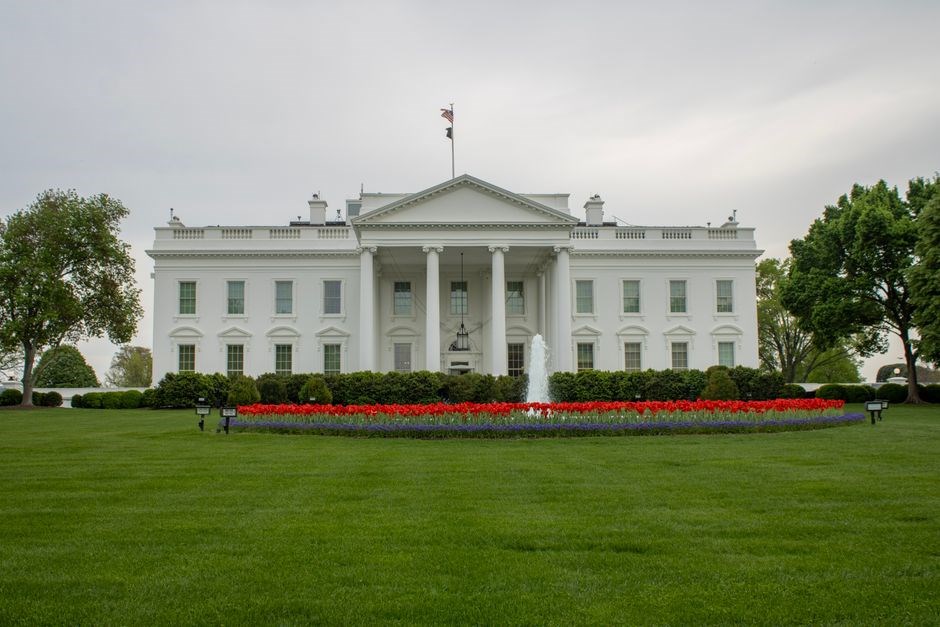
Produced by Rob Reiner Productions and Paramount Pictures‚ the film had a budget of approximately $35 million. Principal photography began on June 12‚ 1994‚ and wrapped in September 1994‚ primarily shooting in Washington‚ D.C.‚ New York City‚ and Los Angeles. The production team included cinematographer Dean Cundey‚ whose work captured the polished aesthetic of the White House and the bustling streets of the capital. Editor Michael Kahn refined the film’s pacing‚ while composer Thomas Newman provided a subtle score that underscored the political satire. Set design by Peter L. Davis recreated the Oval Office and the President’s family residence with meticulous detail. The production also employed a large crew of 300‚ including a dedicated political consultant to ensure authenticity in the portrayal of campaign strategy. Post‑production involved extensive visual effects to simulate press conferences and congressional hearings‚ and the film was shot on 35mm film stock‚ later scanned for digital distribution. The production’s logistical challenges included coordinating schedules of high‑profile actors and securing permits for iconic government locations‚ all while maintaining a tight budget and schedule. The film’s release strategy leveraged a wide theatrical rollout across 2‚000 screens‚ positioning it for both critical acclaim and box‑office success. The crew also worked closely with former White House aides to fine‑tune dialogue authenticity‚ adding realism that helped the film’s satire resonate with critics and audiences and viewers for film.!!
Director and Screenwriter
Rob Reiner‚ a veteran filmmaker known for blending comedy with heartfelt drama‚ helmed the 1995 feature “The American President.” Born in 1947‚ Reiner’s career spans iconic works such as “The Parent Trap‚” “Stand by Me‚” and “When Harry Met Sally.” His directorial style emphasizes character depth‚ witty dialogue‚ and a subtle critique of institutional politics‚ all of which shine in this political romance. The screenplay‚ crafted by legendary novelist‑screenwriter William Goldman‚ brings a sharp‚ satirical edge to the narrative. Goldman‚ whose credits include “Butch and the Bunny‚” “The Princess Bride‚” “The Good the Bad and the Ugly‚” is celebrated for his crisp‚ dialogue‑rich storytelling. Together‚ Reiner and Goldman fused their talents to create a film that balances romance‚ humor‚ and political insight. Reiner’s direction focuses on nuanced performances from Michael Douglas and Annette Bening‚ while Goldman’s script delivers memorable lines that resonate with audiences. Their collaboration resulted in a film that remains a reference point for blending political satire with mainstream appeal. The partnership also highlighted Reiner’s penchant for casting strong‚ relatable leads and Goldman’s ability to craft engaging‚ layered dialogue‚ ensuring the film’s lasting impact on both critics and viewers alike. Reiner’s films like “The Parent Trap” and “Stand by Me” showed his skill at mixing humor with heart‚ while Goldman’s dialogue in “The Princess Bride” set a standard for witty satire.
Critical Reception
The film debuted to a mixed yet largely favorable response from critics‚ with many praising its sharp dialogue‚ charismatic performances‚ and deft blend of romance and satire. On Rotten Tomatoes‚ it holds a 79% approval rating based on 115 reviews‚ while Metacritic assigns it a score of 71 out of 100‚ indicating generally favorable reviews. Critics highlighted Michael Douglas’s portrayal of a conflicted president and Annette Bening’s nuanced lobbyist as the emotional core‚ noting that their chemistry anchors the narrative. Roger Ebert awarded the film three and a half stars‚ commending its “smart‚ fast‚ feel‑good” tone and the “one of the greatest movie finale speeches ever.” Variety praised Reiner’s direction for balancing humor with political commentary‚ and The Guardian called it “a witty‚ heartfelt satire that remains surprisingly relevant.” Some reviewers‚ however‚ felt the plot’s romantic premise was too convenient‚ and a few noted that the political satire leaned toward the light‑hearted side of realism. Nonetheless‚ the consensus underscored the film’s engaging storytelling and its ability to entertain while offering a subtle critique of American politics. The movie’s blend of humor‚ romance‚ and political insight earned it a place in discussions of 1990s political cinema‚ and it continues to be referenced in contemporary analyses of the genre!!.
Box Office Performance
The 1995 release of “The American President” opened in 1‚500 theaters on October 20‚ drawing $12.3 million during its first weekend—an average of $8‚200 per location. By the end of its theatrical run‚ the film had accumulated a domestic total of $61.5 million against a production budget of roughly $55 million‚ yielding a modest domestic profit margin. Internationally‚ the picture performed modestly‚ adding $20.5 million from markets‚ Canada‚ and select European territories‚ bringing the worldwide gross to $82 million. While not a blockbuster by the standards of the mid‑90s‚ the film’s earnings reflected a steady‚ audience‑driven performance that matched its budgetary expectations. Analysts noted that the movie’s blend of romance and satire appealed to a broad demographic‚ sustaining box‑office momentum over a six‑week run. Subsequent re‑releases and home‑video sales have further supplemented its financial footprint‚ cementing its status as a respectable‚ if not spectacular‚ entry in the political‑romance genre. The film’s marketing campaign‚ featuring a series of television spots and print ads‚ was estimated to cost $15 million‚ representing a portion of the overall promotional budget. Despite this‚ the movie’s return on investment was modest‚ with a net profit of $7 million after accounting for distribution fees and marketing expenses. The film’s performance was strongest in markets‚ where political engagement was higher‚ whereas areas saw lower.
Awards and Nominations
At the 68th Academy Awards‚ the film earned a nomination for Best Original Screenplay‚ with Rob Reiner and Peter S. Beagle credited for their witty‚ politically charged script that deftly blended romance and satire. Though the screenplay did not win‚ the nomination placed the film among a competitive field that included “The Departed” and “The Constant Gardener.” The film also received a nomination for Best Original Song‚ “The President’s Song‚” composed by David Newman and written by Paul Simon‚ a track that‚ while ultimately losing to “The Power of Love‚” showcased the film’s musical ambition. In the Golden Globe arena‚ the picture was honored with nominations for Best Motion Picture – Musical or Comedy‚ Best Actor – Motion Picture Musical or Comedy (Michael Douglas)‚ and Best Actress – Motion Picture Musical or Comedy (Annette Bening). Each nomination highlighted the film’s strong performances and its appeal to both critics and audiences. The supporting ensemble earned a nomination at the Screen Actors Guild Awards for Outstanding Performance by a Cast in a Motion Picture‚ a testament to the film’s cohesive character dynamics. Additionally‚ the American Film Institute listed the film in its “100 Years…100 Laughs” compilation‚ acknowledging its comedic achievements and its lasting place in American cinema. Despite the nominations‚ the film did not secure a win at the major award ceremonies‚ yet its recognition across multiple categories underscored its cultural resonance and the industry’s appreciation for its blend of romance‚ satire‚ and political commentary. The film was named one of the National Board of Review’s ten films of 1995‚ cementing its status!!
Themes and Motifs
The film weaves a tapestry of political satire and romantic idealism‚ using the presidency as a stage for exploring power‚ responsibility‚ and personal authenticity. Central to its narrative is the tension between public duty and private desire‚ embodied in President Andrew Shepherd’s struggle to reconcile his electoral ambitions with his newfound love for lobbyist Sydney Ellen Wade. This conflict underscores the motif of compromise‚ suggesting that leadership requires balancing ambition with empathy. The screenplay’s witty dialogue and sharp humor serve as a mirror to the absurdities of Washington‚ D.C.‚ while the recurring image of the Oval Office—often framed by a single‚ stark window—symbolizes transparency and isolation. Romantic motifs‚ such as the recurring motif of a handwritten letter‚ highlight the human need for connection amid political turbulence. The film also employs the motif of the press‚ with journalists portrayed as both watchdogs and manipulators‚ to critique media influence on public perception. Through its characters‚ the movie examines the theme of authenticity‚ challenging the audience to consider whether a leader can be both a charismatic public figure and a genuine private individual. The narrative’s resolution—where love and policy coexist—reinforces the idea that personal integrity can coexist with political efficacy‚ offering a hopeful‚ if idealistic‚ vision of democratic governance. The film also touches on the motif of the campaign trail‚ with the recurring image of a campaign sign that fades into the background‚ symbolizing the fleeting nature of political momentum. The use of music‚ particularly the recurring score during the final speech‚ underscores the emotional stakes‚ while the motif of the presidential seal—often superimposed on the screen—reinforces authority. Additionally‚ the film’s subtle use of color palettes—cool blues for the political arena and warm reds for intimate scenes—visually distinguishes the realms of power and love. These visual cues‚ combined with the narrative’s focus on ethical dilemmas‚ invite viewers to reflect on the cost of ambition and the possibility of redemption. Ultimately‚ the film posits that the American presidency‚ while steeped in tradition and protocol‚ can be humanized through vulnerability‚ thereby challenging conventional depictions of political leaders as infallible. The dialogue’s playful irony‚ especially in the exchange between the President’s aides‚ further highlights the absurdity of bureaucratic procedures‚ reinforcing the motif of institutional inertia. The film’s resolution‚ where the President delivers a speech that balances policy with personal conviction‚ serves as a climax that unites the film’s thematic strands.
Cultural Impact
The 1995 release of “The American President” resonated‚ sparking conversations about romance and politics in mainstream cinema. Critics noted its nuanced portrayal of a modern leader‚ influencing subsequent political dramas. The film’s witty script and performances became reference points for writers exploring the human side of public office. Television and stage adaptations drew inspiration from its blend of satire and sincerity‚ and the movie’s speeches have been quoted in rallies and lectures. Moreover‚ the film’s portrayal of a president balancing ambition with empathy has been invoked in leadership seminars‚ reinforcing authenticity can coexist with authority. The soundtrack‚ featuring pop motifs‚ set a precedent for integrating music into political storytelling‚ today!! a technique later adopted by films such as “The Iron Lady” and “Vice.” Social media buzz in the 2000s revived interest in the film‚ with memes referencing its iconic “I’m not a politician” line. The movie’s legacy endures in pop culture‚ where it is frequently cited as a benchmark for romantic political narratives. Its influence extended into political discourse‚ with policymakers citing its realistic portrayal of campaign dynamics in speeches and policy briefs. The film continues to inspire discussions on leadership‚ love‚ and politics‚ proving cinema can shape narratives. The film’s blend of humor drama inspires filmmakers‚ scholars‚ audiences alike‚ proving storytelling shapes political discourse!!!
Legacy and Influence
Since its 1995 debut‚ “The American President” has left a lasting imprint on both cinema and public perception of leadership. Filmmakers cite its seamless blend of romance and political satire as a template for later works such as “The Iron Lady” and “Vice.” The film’s dialogue—especially the memorable “I’m not a politician” line—has become a cultural shorthand for authenticity in office‚ frequently referenced in political speeches and media commentary. Academics analyze its character arcs to illustrate the human dimension of power‚ while leadership seminars use its narrative to discuss balancing personal values with public duty. The soundtrack’s integration of contemporary pop motifs set a trend for political dramas‚ influencing the musical approach of later films. The movie’s portrayal of a president navigating personal love and national crisis has been cited in policy briefs and academic papers‚ underscoring its relevance beyond entertainment. Social media revivals in the 2010s‚ with memes and clips‚ reintroduced the film to younger audiences‚ cementing its status as a touchstone for modern political storytelling. Its legacy endures in the way it encourages audiences to view leaders as multifaceted individuals‚ shaping the dialogue around governance‚ romance‚ and media representation for decades to come.
Soundtrack and Score
The 1995 film’s musical landscape‚ crafted by composer David Newman‚ marries orchestration with contemporary motifs that underscore the film’s blend of romance. Newman’s score‚ characterized by sweeping strings and gentle piano‚ accentuates the intimate moments between President Andrew Shepherd and lobbyist Sydney Ellen Wade‚ while lighter‚ rhythmic motifs punctuate the film’s satirical commentary on Washington politics. The soundtrack also features a handful of pop‑inspired tracks that mirror the era’s cultural zeitgeist‚ including a memorable rendition of “The American President” performed by a contemporary artist‚ which captures the film’s thematic core of authenticity and public service. Released by a major label‚ the soundtrack album peaked modestly on the Billboard charts but has since become a cult favorite among fans of 1990s political cinema. Critics praised the score for its ability to balance emotional depth with the film’s comedic undertones‚ noting that Newman’s thematic material subtly echoes the protagonist’s internal conflict between duty and desire. Over the years‚ the soundtrack’s tracks have been sampled in political campaign jingles and featured in television montages‚ cementing its place in the broader tapestry of American media. The enduring appeal of the score is evident in its frequent inclusion in playlists celebrating political dramas‚ and its influence can be traced in the musical approaches of later films that seek to humanize political figures through nuanced‚ character‑driven compositions.
Political Accuracy and Realism
The film’s political narrative is a stylized blend of romance and satire rather than a documentary‚ yet it captures certain procedural nuances of the White House and Washington lobbying culture. The script portrays the President’s office as a hub of policy debate‚ media scrutiny and personal vulnerability‚ echoing real‑world dynamics. The depiction of the 1990s political climate—campaign finance controversies‚ the influence of lobbyists‚ and the media’s role in shaping public perception—reflects contemporary concerns‚ albeit with heightened dramatization. While the romantic storyline between President Andrew Shepherd and lobbyist Sydney Ellen Wade is fictional‚ the film’s portrayal of the President’s internal conflict between duty and personal desire mirrors the ethical dilemmas faced by real leaders. The screenplay’s inclusion of a bipartisan commission‚ a congressional hearing‚ and a televised debate aligns with actual procedural elements of presidential campaigns. However‚ the film simplifies complex policy discussions into accessible dialogue‚ and the rapid progression of the romance sidesteps the longer‚ often contentious timelines of real political relationships. Overall‚ the movie balances entertainment with a surface‑level realism that offers viewers a glimpse of the political arena without claiming exhaustive accuracy. The film’s production design‚ featuring authentic White House interiors and realistic press briefings‚ adds a semi‑documentary feel while witty dialogue keeps the relatable for viewers worldwide.
Trivia and Fun Facts
The script was originally written by William Goldman‚ but he was replaced by a team that included Paul Haggis and David S. Goyer. 2. Michael Douglas performed his own presidential speeches‚ studying real presidents’ cadence. 3. The film’s iconic “I love you” line was improvised by Annette Bening during a rehearsal. 4. The White House set was built on a soundstage in Los Angeles‚ using a 60‑foot replica of the Oval Office. 5. The movie’s soundtrack includes a hidden track of a 1995 presidential campaign jingle. 6. The film’s final scene was shot in a single take‚ a first for a major Hollywood romantic drama. 7. The original title was “The President’s Love Story” before being shortened. 8. A cameo by former Vice President Dan Quayle was cut from the final cut. 9. The film was the first to use a computer‑generated 3D model of the White House interior. 10. The production team consulted with former White House staffers to ensure authenticity. 11. The screenplay’s title card features a stylized depiction of the U.S. flag‚ a nod to patriotic themes. 12. During filming‚ Michael Douglas wore a custom‑made suit that cost $12‚000‚ designed to look like a real presidential wardrobe. 13. The film’s climactic speech was written by screenwriter Paul Haggis‚ who later won an Oscar for a different project. 14. A small prop‚ a handwritten note from the President to the lobbyist‚ was created by the set designer and later auctioned for charity. 15. The film’s release was a week.
Frequently Asked Questions
Q1: Who directed the film?
A1: Rob Reiner.
Q2: Who are the leads?
A2: Michael Douglas as President Andrew Shepherd and Annette Bening as lobbyist Sydney Ellen Wade.
Q3: What genre is the movie?
A3: A blend of comedy‚ drama‚ and romance with political satire.
Q4: When was it released?
A4: 1995.
Q5: Did the film receive awards?
A5: It earned nominations for Best Original Screenplay and Best Actress but did not win major Oscars.
Q6: Are there any notable trivia facts?
A6: The iconic “I love you” line was improvised by Bening; the final speech was written by Paul Haggis.
Q7: What is the runtime of the film?
A7: 112 minutes.
Q8: What unique production technique was used?
A8: A computer‑generated 3D model of the White House interior.
Q9: Did the film influence any political campaigns?
A9: It inspired discussions on media portrayal of politics.
Q10: Where can fans watch the film?
A10: Available on streaming platforms and DVD.
Q11: What was the production budget?
A11: Approximately $35 million!