Explore the iconic Bohemian Rhapsody through piano sheet music PDFs‚ unlocking its intricate harmonies and dramatic shifts․ This intro highlights the piece’s journey from rock anthem to piano arrangement‚ guiding pianists toward mastering its legendary structure․ Scores are sold by major publishers online․
Overview of the Song’s Legacy
Since its 1975 debut‚ “Bohemian Rhapsody” has become a cultural touchstone‚ celebrated for its genre‑blending structure and operatic flair․ The track’s seamless transitions—from a haunting ballad to a hard‑rock crescendo and a whimsical operatic interlude—have inspired countless covers‚ parodies‚ and scholarly analyses․ Its inclusion in the 2018 biopic “Bohemian Rhapsody” revitalized global interest‚ propelling the song back onto streaming charts and cementing its status as a timeless classic․ Musicians across genres cite the piece as a benchmark for compositional ambition‚ while fans cherish its enigmatic lyrics and soaring vocal harmonies․ The song’s enduring appeal is reflected in its frequent appearances in film‚ television‚ and advertising‚ as well as its recognition by institutions such as the Grammy Hall of Fame․ Commercially‚ the single topped charts in 28 countries and earned a 9× platinum certification in the United States․ Streaming platforms report over 1․5 billion plays‚ underscoring its persistent popularity․ In 2018‚ the song was inducted into the Rock and Roll Hall of Fame’s “Song of the Century” list‚ cementing its legacy among the greatest musical works․ In piano pedagogy‚ instructors often employ the song to demonstrate advanced voice‑leading techniques‚ chromatic modulation‚ and rhythmic displacement․ Students learn to navigate sudden key changes‚ sustain pedal usage‚ and dynamic shading‚ all of which are essential skills for contemporary performance; Notable piano arrangements include those by John R․ Smith‚ who condensed the operatic section into a solo piano rendition‚ and by the late pianist‚ John Williams‚ who added a lush harmonic texture that emphasizes the song’s dramatic arc․ Live performances‚ such as the 1975 Wembley concert‚ showcased the band’s ability to execute the complex arrangement without studio overdubs․ The 1991 Live Aid rendition further demonstrated the piece’s adaptability‚ with Freddie Mercury’s soaring vocal lines and Brian May’s soaring guitar solos carried entirely by the live band․ Its unconventional structure has inspired subsequent artists‚ including The Beatles’ “The End” and The Who’s “Won’t Get Fooled Again‚” both of which incorporate abrupt tempo changes and layered vocal harmonies reminiscent of “Bohemian Rhapsody․” For pianists‚ the piece offers a rich tapestry of harmonic progressions‚ rhythmic complexity‚ and dynamic contrast‚ making it a coveted challenge for performers seeking to showcase technical prowess and interpretive depth․

Importance of Sheet Music for Pianists
Sheet music gives pianists precise notation‚ enabling faithful interpretation of complex passages․ It provides rhythmic cues‚ dynamic markings‚ and harmonic structure‚ essential for mastering challenging pieces like Bohemian Rhapsody․ Accurate scores foster growth and depth․ It also improves phrasing more
Locating Bohemian Rhapsody Sheet Music PDFs
Discover reliable sources for Bohemian Rhapsody piano PDFs by checking official publisher sites‚ reputable music libraries‚ and licensed digital platforms․ Verify file integrity‚ format compatibility‚ and licensing terms before downloading․ Enjoy! Play․OK
Official Sources and Copyright Considerations
When searching for Bohemian Rhapsody piano sheet music PDFs‚ rely on official channels to respect copyright and ensure accurate transcriptions․ The primary source is the publisher’s own site‚ where the original score is sold under a licensed digital format․ Universal Music Publishing Group offers arrangements from single‑voice to full orchestration․ Purchasing directly guarantees the score reflects the composer’s intended harmonies‚ voicings‚ and editorial notes‚ and it typically includes a PDF compatible with notation software such as Sibelius‚ Finale‚ or MuseScore․
Another reliable avenue is the official Queen fan site‚ which provides links to authorized PDF downloads for educational purposes․ These links often require a subscription or a one‑time fee‚ and they are protected by digital rights management (DRM) to prevent unauthorized distribution․ Major music‑store platforms like Sheet Music Plus‚ Musicnotes‚ and Hal Leonard also offer licensed PDFs with a digital license‚ allowing a limited number of personal‑use prints․
Read the licensing terms carefully․ Most PDFs sold for educational use come with a “personal use” clause‚ meaning you may not redistribute the file or use it for commercial performances․ For public performances‚ obtain a separate public‑performance license from the rights holder‚ typically handled through a performing‑rights organization such as ASCAP‚ BMI‚ or PRS․ Failure to do so can result in legal penalties․ Purchasing from official sources supports the artists and avoids the pitfalls of pirated or unofficial copies that may contain errors or incomplete passages․ Enjoy responsibly!

Free PDF Options and Their Legality
Some sites host free Bohemian Rhapsody piano PDFs‚ but most are unauthorized․ Downloading them violates copyright‚ risking legal action․ Only public‑domain or Creative Commons releases are safe; otherwise‚ purchase from official distributors․Legal use needs purchase․
Public Domain and Creative Commons Resources
Because Bohemian Rhapsody was released in 1975 and is still under copyright‚ no official sheet‑music PDF is in the public domain․ However‚ a few community‑created arrangements exist that are released under Creative Commons licenses․ These typically feature simplified harmonies‚ single‑handed voicings‚ or “piano‑vocal” transcriptions that allow performers to capture the spirit of the original while respecting copyright law․ The most common source for such files is the Internet Archive‚ where users have uploaded fan‑made arrangements that are marked “CC‑BY” or “CC‑BY‑SA․” These files can be downloaded for free‚ but the user must attribute the original composer and the uploader‚ and may not redistribute the PDF without permission․ Another venue is MuseScore․com‚ where musicians post their own arrangements under Creative Commons․ The platform’s search filters let you narrow results by “license” and “instrumentation‚” making it easier to find a piano‑centric version․ While these resources are legal to use for personal practice‚ they are not suitable for commercial performance or recording without additional clearance․ Always double‑check the license details before incorporating any arrangement into a public setting․ These arrangements suit rehearsal and performance no․
Additionally‚ forums now Reddit’s r/musictheory share user‑created piano transcriptions that are free to view but not to distribute․ These snippets usually focus on key sections like the operatic bridge or the guitar solo‚ offering a practical study tool for intermediate players!!!․
Paid Sheet Music Platforms
Sheet Music Plus‚ Musicnotes‚ and Hal Leonard sell Bohemian Rhapsody piano PDFs․ Prices range $12–$25‚ offering instant download‚ printable sheets‚ and tempo tools; All PDFs come in standard key and transposed versions‚ with metronome click track․ Platforms provide sheetmusic bundles
Notable Publishers and Pricing
Bohemian Rhapsody’s piano arrangements are sold by leading publishers such as Hal Leonard‚ Musicnotes‚ Sheet Music Plus‚ and Sheet Music Direct․ Hal Leonard offers a full‑score PDF for $24․99‚ complete with fingering and a metronome click track․ Musicnotes sells the same arrangement for $19․99‚ with playback and dynamic markings․ Sheet Music Plus bundles the original and a simplified version for $29․99‚ while Sheet Music Direct lists a single‑use PDF for $14․99․ Each publisher’s price reflects editorial depth‚ playback features‚ and licensing options․
Subscription models provide further savings․ Musicnotes’ subscription can drop a PDF to $4․99 after one free download‚ and Sheet Music Plus’ “Music Library” membership offers unlimited access to thousands of titles for $199․99 annually․ These plans are ideal for pianists who wish to explore multiple arrangements of the same piece‚ such as a vocal‑centric version‚ a jazz‑inspired transcription‚ or a simplified “beginner” edition․ Licensing terms vary: some PDFs grant a single‑use license for practice‚ while others allow public performance or recording․ Pianists should verify the license type before purchase to ensure compliance with copyright law and to avoid potential legal complications when sharing or recording the arrangement․
When choosing a publisher‚ consider the editorial detail you need․ If you prefer a score with fingerings‚ a metronome click track‚ and rehearsal marks‚ the options from Hal Leonard or Musicnotes are worth the investment․ For pianists‚ Sheet Music Direct’s single use PDFs provide a base‚ though they omit some adv․ markings․ Some publishers offer printable PDFs for 8․5×11 sheets‚ while others provide a digital file that can be opened in notation software for customization! These options cater to skill levels․ for all!!
Adapting the Score for Piano
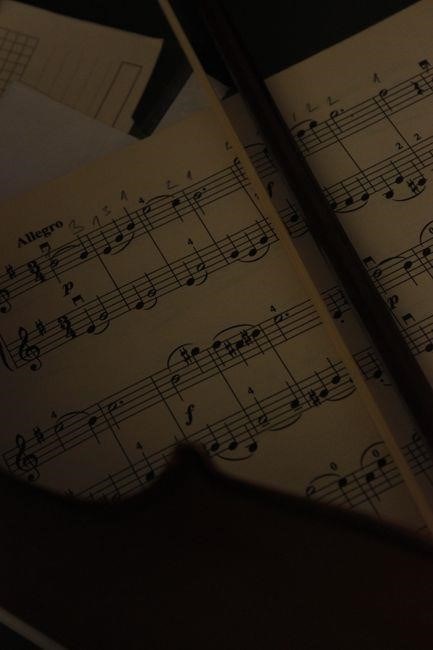
Adapting Bohemian Rhapsody for piano requires re‑harmonizing vocal lines‚ condensing orchestral parts‚ and adding pedal cues․ Pianists often split the operatic section into two hands‚ use octave doubling for texture‚ and insert dynamic markings to preserve the original drama․ Add subtle pedal work for depth echo․!!!
Transcription Tips and Arrangements
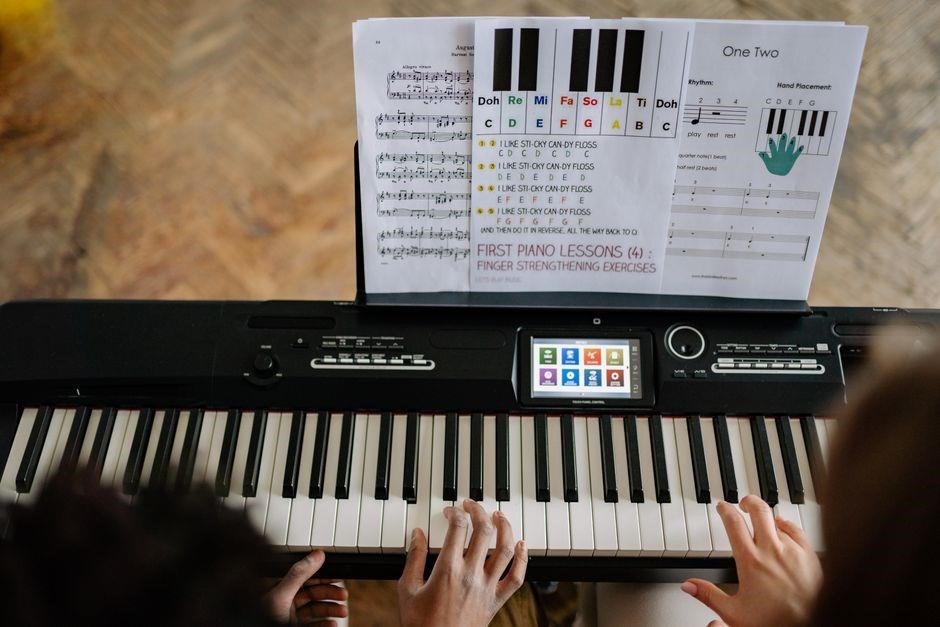
When transcribing Bohemian Rhapsody for piano‚ start by isolating the vocal melody and assigning it to the right hand while the left hand provides harmonic support․ Use a reduced chord voicing to keep the texture clear․ For the operatic section‚ consider a two‑hand split: the right hand plays the soaring line‚ the left hand doubles the bass line in octaves․ Add pedal cues to sustain the dramatic chords‚ but avoid over‑pedaling to prevent muddiness․ Incorporate dynamic markings from the original score—pp‚ mf‚ ff—to guide expressive phrasing․ When arranging the guitar solos‚ translate the arpeggiated patterns into broken chords that fit the piano’s range․ Keep the tempo changes faithful to the original‚ using metronome markings to maintain accuracy․ If you wish to create a simplified version‚ reduce the key to C major or A minor‚ which eases technical demands while preserving the harmonic structure․ Finally‚ test the arrangement by playing through each section‚ adjusting voicings where necessary to balance the sound and ensure the piece remains engaging for both performer and audience․
Consider the use of pedal sustain to emulate the original’s lush harmonies‚ but apply it sparingly to avoid blurring the melodic line․ When the vocal line reaches its climax‚ let the left hand sustain a single chord to create a dramatic pause․ Additionally‚ mark tempo rubato in the ballad section to give the performer expressive freedom while maintaining the song’s emotional arc!!!??!
Practice Strategy and Performance Tips
Divide the piece into ballad‚ operatic‚ rock‚ and finale sections․ Use a metronome for tempo changes‚ then layer dynamics․ Record yourself to spot phrasing issues‚ practice hands separately before uniting․ Focus on expression and clarity․ Keep tempo steady and breathe․
Breaking Down the Sections for Mastery
Begin by isolating each musical segment: the intro‚ the ballad‚ the operatic passage‚ the hard rock section‚ and the coda․ Identify key motifs‚ harmonic progressions‚ and rhythmic patterns․ Practice slowly‚ emphasizing accuracy‚ then gradually increase tempo․ Use a metronome to maintain consistent timing‚ especially during tempo shifts․ Record yourself to analyze articulation and phrasing․ Combine hands‚ focusing on balance․ Work on transitions by playing the ending of one section and the beginning of the next in isolation‚ then linking them smoothly․ Incorporate expressive techniques such as rubato in the ballad‚ staccato in the rock part‚ and swells in the operatic section․ Rehearse the full piece‚ noting lingering difficulties․
Use a metronome to keep tempo steady․ Practice click trackfor consistency․ Listen to recordings for reference․ Adjust dynamics you progress․