Instruction for Putting Away Fishing Tackle: A Comprehensive Guide (Crossword-Inspired)
Navigating tackle organization often feels like solving a complex puzzle‚ much like a crossword! This guide blends practical storage with the mental challenge of
crossword clues‚ offering a unique approach to keeping your gear ready.
Crossword puzzles enhance leisure and mental agility‚ mirroring the satisfaction of a well-organized tackle box‚ prepared for any angling adventure.
Understanding the “Tackle Box” Concept in Crosswords
In the world of crossword puzzles‚ the term “tackle box” rarely refers to the physical container itself. Instead‚ it functions as a thematic entry point‚ signaling clues related to fishing equipment and angling terminology. Think of it as a category cue – when you see “tackle box” in the puzzle grid‚ prepare for words like “lure‚” “hook‚” “reel‚” or “bait” to appear.
Crossword constructors cleverly utilize this association to test a solver’s knowledge of fishing. Clues might be direct (“Contents of a tackle box”) or more oblique‚ requiring lateral thinking. For example‚ a clue like “Angler’s necessity” could lead to “lure‚” a common tackle box resident. The challenge lies in recognizing the connection between the crossword theme and the practical world of fishing.
Successfully deciphering these clues demands a blend of vocabulary and general knowledge. Understanding that “tackle box” represents a collection of angling tools is the first step towards unlocking the puzzle’s secrets. It’s a playful nod to a popular hobby‚ cleverly integrated into the crossword format‚ enhancing both the challenge and enjoyment for enthusiasts.
Common Crossword Clues Related to Fishing Tackle
Crossword puzzles frequently employ a variety of clues centered around fishing tackle. Expect to encounter definitions like “Angler’s line fastener” (HOOK)‚ “Shiny fish attractant” (LURE)‚ or “Spool holder” (REEL). Clues often play on double meanings; for instance‚ “Lead weight” could refer to a fishing weight or a metallic element.
More challenging clues might be indirect. “What a fisherman casts” isn’t necessarily a line‚ but could be a SHADOW or a SPELL‚ testing your puzzle-solving skills. “Bait shop offering” could be WORMS or MINNOWS. Recognizing these subtle connections is key to success.
Pay attention to clue length – the number of spaces in the grid provides a crucial hint. Common tackle-related words are typically short‚ ranging from three to seven letters. Familiarity with angling terminology significantly improves your ability to quickly identify potential answers. Solving these clues is akin to mastering a mini-vocabulary lesson‚ blending recreation with mental exercise.
Decoding “Artificial Bait” Clues
“Artificial bait” in crosswords often points to LURES‚ but clues can be deceptively varied. Expect definitions like “Plastic fish imitator” or “Spinner‚ for one.” Clues might describe the lure’s action: “Wiggling bait” could indicate a SPINNERBAIT. Pay attention to adjectives – “Brightly colored lure” suggests a VIBRANT option.
More complex clues might allude to specific lure types. “Crankbait cousin” could be a RATTLER or a JERKBAIT. Understanding lure terminology is crucial. Clues may also focus on the lure’s target species: “Bass attractant” often leads to a WORM or a JIG.
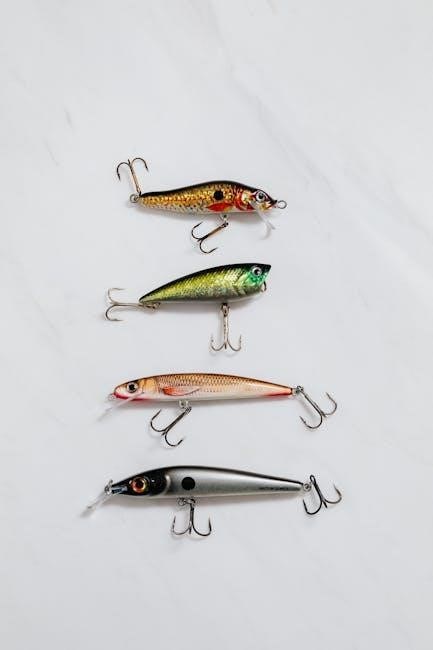
Consider the clue’s tone. A playful clue like “Fish’s fake friend” clearly indicates an artificial bait. Remember‚ crosswords test not just knowledge‚ but also lateral thinking. Successfully decoding these clues requires a blend of angling awareness and puzzle-solving skill‚ enhancing both your fishing and mental agility.
Interpreting “Tackle Together” Clues
“Tackle together” clues in crosswords frequently refer to TACKLE BOXES‚ but variations exist. Look for definitions like “Angler’s storage” or “Gear container.” Clues might describe the box’s function: “Holds hooks and bait” is a strong indicator. Pay attention to size references – “Small fishing container” suggests a COMPACT box.
More nuanced clues might focus on box features. “Compartmented container” points to a box with DIVIDERS. Clues could also allude to the box’s material: “Plastic fishing holder” narrows the options. Consider the clue’s context; a clue about organization strongly suggests a tackle box.
Remember crossword misdirection. A clue like “Angler’s companion” could be a red herring‚ but still relate to tackle storage. Successfully interpreting these clues demands a blend of angling knowledge and puzzle-solving skills‚ mirroring the careful organization needed for effective fishing.
Essential Tackle to Organize
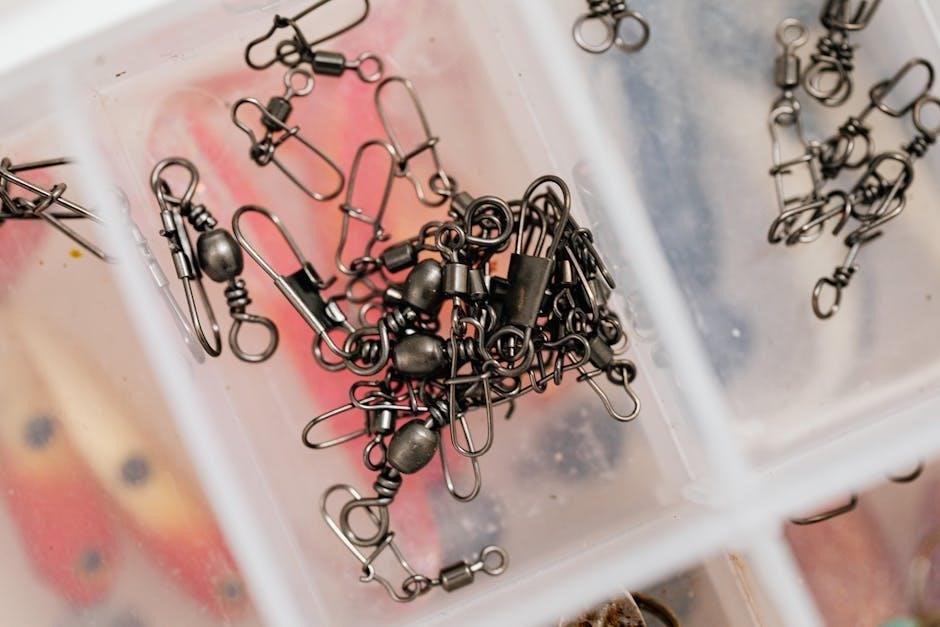
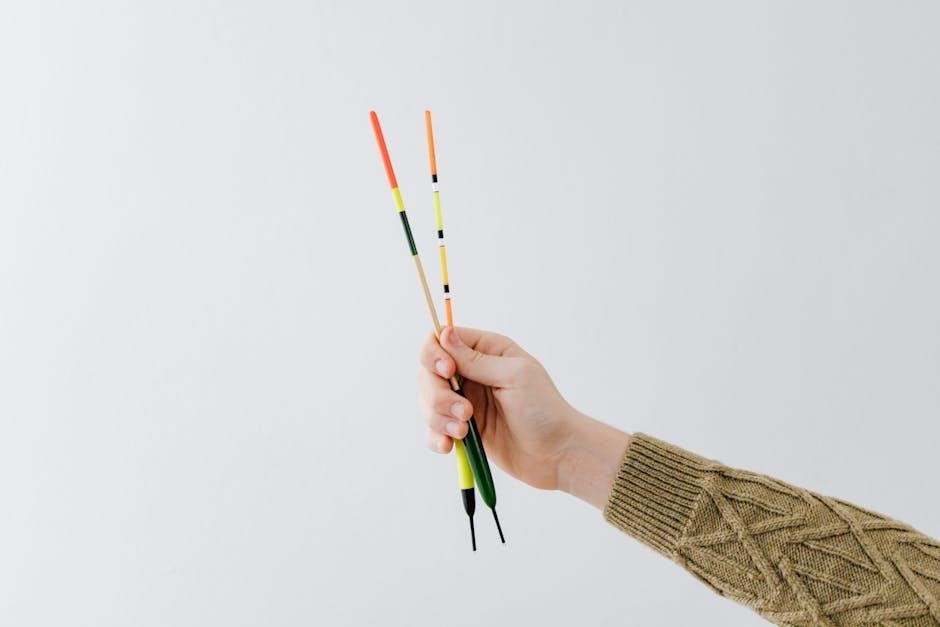
Before diving into organization‚ identify core items: rods‚ reels‚ lines‚ hooks‚ lures‚ floats‚ weights‚ and swivels. Proper storage protects your investment and ensures fishing readiness.
Rods and Reels: Safe Storage Techniques
Protecting your rods and reels is paramount for longevity and performance. Vertical rod storage is ideal‚ utilizing rod racks or corner stands to prevent bending and breakage. Avoid leaning rods against walls for extended periods‚ as this can cause warping.
For reels‚ detach them from rods when not in use. Clean them thoroughly‚ removing saltwater or debris‚ and apply a light lubricant to prevent corrosion. Store reels in padded cases or sleeves to shield them from impacts and scratches. Consider reel covers to keep dust and moisture at bay.
Transporting rods requires extra care. Use rod tubes or carriers to safeguard them during travel. Securely fasten rods to your vehicle to prevent movement and potential damage. Proper storage not only preserves your equipment but also ensures a more enjoyable and successful fishing experience‚ mirroring the satisfaction of completing a challenging crossword puzzle!
Lines and Leaders: Preventing Tangling
Managing fishing lines and leaders effectively is crucial to avoid frustrating tangles. The key is organized storage and careful handling. Spooling lines correctly onto reels – filling to about 90% capacity – minimizes twists and wind knots. Consider using line spools with tension control for a neat‚ even wrap.
Storing lines requires a dedicated system. Line spools can be stored in tackle box compartments or hung on designated racks. Avoid simply tossing loose lines into a pile‚ as this guarantees a tangled mess. Leader material should be coiled neatly and secured with small clips or rubber bands.
Preventing tangles during transport is also vital. Use line management tools like line wraps or sleeves to keep lines contained. A little preparation saves significant time and frustration‚ much like strategically filling in a crossword grid!
Hooks‚ Lures‚ and Baits: Categorization is Key
Effective organization of hooks‚ lures‚ and baits hinges on a robust categorization system. Begin by separating items by type – for example‚ grouping crankbaits‚ spinnerbaits‚ and soft plastics. Within each category‚ further refine by size‚ color‚ or target species. This approach mirrors the logical deduction needed for a crossword puzzle!
Hook storage demands caution. Utilize dedicated hook boxes with individual compartments to prevent snagging and injuries. Lures benefit from tackle trays with adjustable dividers‚ allowing customization for different lure sizes and shapes. Baits‚ especially soft plastics‚ should be stored in airtight containers to maintain freshness and prevent them from drying out or melting.
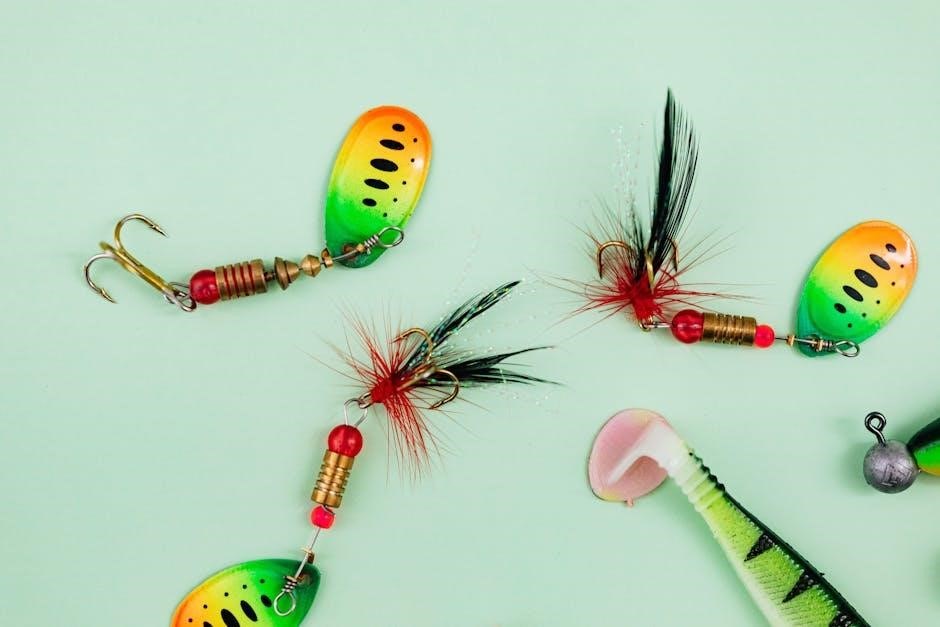
Clear labeling of compartments is essential for quick identification. A well-categorized tackle collection streamlines your fishing preparation‚ just as a completed crossword provides a sense of accomplishment.
Floats‚ Weights‚ and Swivels: Small Parts Management
Managing small tackle components like floats‚ weights‚ and swivels requires meticulous organization. These items‚ easily lost or mixed up‚ demand dedicated storage solutions. Small‚ compartmentalized boxes are ideal‚ preventing a chaotic jumble that resembles an unsolved crossword puzzle!
Floats should be stored by size and type – slip floats separate from fixed floats. Weights benefit from organization by weight range‚ utilizing small dividers within a tackle box. Swivels and snaps can be kept in small resealable bags‚ labeled with their size and pound test.
Consider using bead organizers – the type often used for jewelry making – for exceptionally small swivels or split rings. A clear‚ logical system ensures you can quickly locate the precise component needed‚ enhancing efficiency and mirroring the satisfaction of completing a challenging crossword.
Tackle Box Types & Selection
Choosing the right tackle storage is crucial‚ like selecting the perfect starting square in a crossword. Options range from plastic boxes to backpacks‚ each offering unique benefits for organization.
Plastic Tackle Boxes: Pros and Cons
Plastic tackle boxes represent a classic and widely accessible solution for anglers‚ akin to a frequently used word in a crossword puzzle. Their affordability is a significant pro‚ making them ideal for beginners or those on a budget. They are generally lightweight and come in various sizes‚ offering flexibility for different tackle collections.
However‚ plastic boxes also have cons. Durability can be a concern‚ as thinner plastic can crack or break under stress‚ especially with heavier tackle. The internal compartments‚ while adjustable‚ may not always provide the most secure fit for all items‚ potentially leading to rattling and tangling during transport.
Furthermore‚ some plastics can degrade over time with exposure to sunlight and temperature fluctuations. While suitable for basic organization‚ serious anglers might find their limitations frustrating‚ much like encountering a difficult clue in a complex crossword. Consider the level of protection and organization needed when choosing a plastic tackle box.
Tackle Bags: Mobility and Capacity
Tackle bags offer a compelling alternative to traditional boxes‚ prioritizing portability – a key advantage for anglers on the move‚ much like quickly filling in easy clues in a crossword. These bags typically feature padded interiors and adjustable dividers‚ providing a degree of protection and customization for your gear.
A significant pro is their capacity; many tackle bags can accommodate a surprising amount of tackle‚ often exceeding the space of a comparable plastic box. They often include external pockets for quick access to frequently used items like pliers‚ line cutters‚ and lures.
However‚ tackle bags can be less structurally rigid than hard-sided cases‚ potentially offering less protection against impact. Organization can also be a challenge if the bag lacks sufficient internal dividers or compartments. Choosing a bag with robust zippers and durable fabric is crucial for longevity‚ ensuring it withstands the rigors of frequent use and travel.
Backpack Tackle Systems: For the Mobile Angler
Backpack tackle systems represent the pinnacle of portability‚ ideal for anglers who hike to remote fishing spots – a bit like strategically placing answers in a challenging crossword puzzle. These systems distribute weight evenly across your back‚ freeing your hands for navigating tricky terrain. They often incorporate multiple compartments and tackle trays‚ allowing for organized storage of various gear types.
A major benefit is hands-free convenience‚ allowing you to carry additional equipment like water bottles‚ rain gear‚ or even a small landing net. Many models feature waterproof or water-resistant materials‚ protecting your tackle from the elements.
However‚ backpack systems can be bulky and heavy when fully loaded. Accessibility to certain tackle items might be limited compared to a tackle bag or box. Careful packing and weight distribution are essential for comfort and balance‚ ensuring a pleasant and productive fishing experience.
Hard-Sided Tackle Cases: Maximum Protection
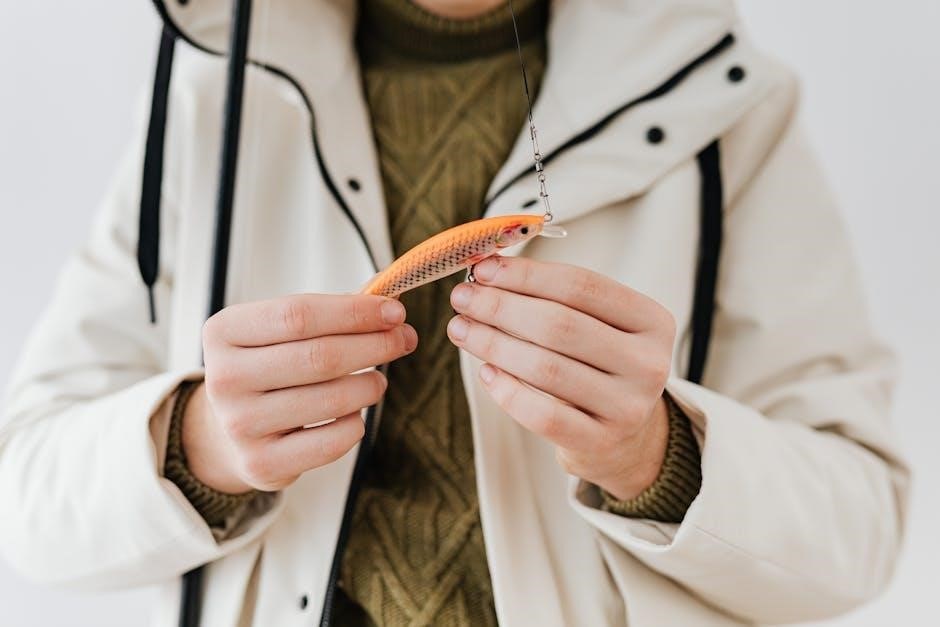
Hard-sided tackle cases offer the ultimate in protection for your valuable fishing gear‚ functioning as a robust fortress – much like a completed crossword grid safeguarding its answers. Constructed from durable plastics or aluminum‚ these cases shield tackle from impacts‚ crushing forces‚ and harsh weather conditions. They are particularly well-suited for travel‚ ensuring your gear arrives at your destination unscathed.
Key features include secure latches‚ waterproof seals‚ and often‚ customizable foam inserts to cradle individual items. This prevents rattling and further minimizes damage during transport. While providing superior protection‚ hard cases can be heavier and bulkier than other tackle storage options.
Space efficiency is also a consideration; the rigid structure may not conform to oddly shaped items. However‚ for anglers prioritizing security and longevity of their tackle‚ a hard-sided case is an investment worth considering.

Organizing Your Tackle Box – Step-by-Step
Embark on a systematic approach to tackle organization! Like solving a crossword‚ each step builds upon the last‚ creating order from chaos and ensuring fishing success.
Step 1: Empty and Clean Your Tackle Box
Begin with a complete evacuation! Just as a crossword solver needs a blank grid‚ you need an empty tackle box to truly assess and reorganize. Remove everything – rods‚ reels‚ lures‚ lines‚ hooks‚ weights‚ floats‚ and even small accessories. This initial step is crucial for a thorough cleaning and prevents transferring dirt or corrosion to freshly organized items.
Next‚ the cleaning phase. Use a mild soap and warm water solution to wipe down all interior surfaces. Pay special attention to compartments that have held hooks or baits‚ as residue can attract pests or cause rust. For stubborn grime‚ a soft brush can be incredibly helpful. Ensure the box is completely dry before proceeding – moisture is the enemy of tackle!
Inspect for damage. While empty‚ examine the box itself for cracks‚ broken latches‚ or worn dividers. Addressing these issues now prevents further damage and ensures the longevity of your tackle storage. Think of it as preparing your “grid” for optimal puzzle-solving – or‚ in this case‚ fishing!
Step 2: Categorize Your Tackle
Like grouping clues in a crossword‚ categorization is key to efficient tackle organization. Begin by separating items based on type: lures‚ hooks‚ weights‚ floats‚ lines‚ and terminal tackle. Within each category‚ further refine the groupings. For example‚ lures can be divided by species targeted (bass‚ trout‚ saltwater) or by lure type (crankbaits‚ spinners‚ soft plastics).
Consider frequency of use. Items you use regularly should be readily accessible‚ while less frequently used tackle can be stored in less convenient locations. This mirrors a crossword solver prioritizing common letter combinations. Hooks can be sorted by size‚ and lines by pound test.
Don’t overlook bait-specific organization. Separate natural baits from artificial ones. This prevents unwanted odors and keeps everything fresh. A well-defined system‚ much like a completed crossword‚ brings clarity and efficiency to your fishing preparation.
Step 3: Utilize Dividers and Trays
Just as a crossword grid is divided into squares‚ your tackle box benefits immensely from dividers and trays. These create dedicated spaces‚ preventing tangled messes and making it easy to locate specific items. Adjustable dividers are incredibly versatile‚ allowing you to customize compartments to fit your gear perfectly.
Clear plastic trays are ideal for smaller items like hooks‚ swivels‚ and beads. They offer visibility‚ eliminating the need to rummage through piles. Consider using tackle trays with multiple compartments for even finer organization. This is akin to solving a crossword – each section neatly contained.
Maximize space by stacking trays within your tackle box. Ensure they are securely fastened to prevent shifting during transport. Properly utilized dividers and trays transform a chaotic box into a streamlined‚ efficient system‚ ready for any fishing challenge.
Step 4: Secure Hooks and Lures
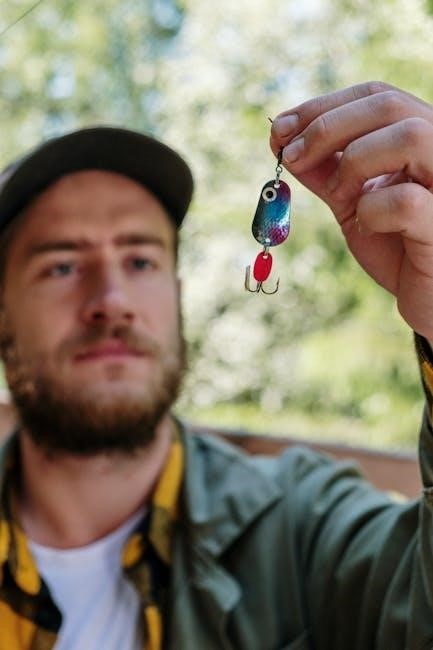
Like carefully placing the final letters in a crossword‚ securing hooks and lures is crucial for safety and organization. Exposed hooks pose a significant risk of injury‚ while loose lures can damage other tackle. Dedicated lure wraps are an excellent solution‚ individually protecting each lure and preventing tangling.
For hooks‚ utilize specialized hook keepers or small‚ resealable plastic bags. This keeps them contained and prevents them from snagging on lines or clothing. Consider using foam inserts with pre-slotted holes to securely hold hooks in place within a tray.
Properly secured tackle not only enhances safety but also extends the lifespan of your gear. A well-organized and protected collection is a testament to a thoughtful angler‚ much like a completed crossword puzzle is a sign of a sharp mind.

Advanced Tackle Organization Techniques
Elevate your tackle management beyond the basics! Employing wraps‚ labels‚ and rust prevention ensures peak condition. Maintaining a detailed inventory‚ like solving a complex crossword‚ maximizes efficiency.
Using Tackle Wraps and Sleeves
Tackle wraps and sleeves represent a significant upgrade in organization‚ particularly for rods and lines. Think of them as individual compartments within your larger tackle system‚ mirroring how crossword clues isolate specific concepts. Rod sleeves‚ often made of neoprene or durable nylon‚ shield your rods from scratches‚ impacts‚ and UV damage during transport and storage.
Line wraps‚ available in various materials like foam or plastic‚ prevent frustrating tangles and line memory. Wrapping lines onto dedicated spools keeps them readily accessible and extends their lifespan. This is akin to neatly categorizing answers in a crossword – everything has its place.
For lures‚ consider using individual sleeves or wraps to prevent hooks from snagging on other items. This not only protects your lures but also safeguards your fingers! These seemingly small additions contribute to a more streamlined and efficient tackle box‚ allowing you to focus on the enjoyment of fishing‚ much like the satisfaction of completing a challenging crossword puzzle.
Labeling Tackle Compartments

Clear labeling is paramount for efficient tackle management‚ functioning much like the definitions in a crossword puzzle – providing instant clarity. A well-labeled tackle box transforms from a chaotic collection into an organized system‚ saving you valuable time on the water. Utilize waterproof labels and a permanent marker to identify the contents of each compartment‚ tray‚ or box.
Be specific! Instead of simply writing “Lures‚” categorize further: “Crankbaits‚” “Spinnerbaits‚” or “Topwater.” For lines‚ indicate the type and test strength. This level of detail mirrors the precision required to solve a complex crossword. Consider color-coding labels for different fishing techniques or species.
Regularly review and update your labels as your tackle collection evolves. This ensures your system remains accurate and effective. A consistently labeled tackle box isn’t just organized; it’s a testament to a thoughtful and prepared angler‚ much like a completed crossword demonstrates a sharp mind.
Rust Prevention Strategies
Rust is the angler’s nemesis‚ slowly degrading valuable tackle – a frustrating setback akin to hitting a roadblock in a crossword puzzle. Proactive rust prevention is crucial for longevity. Thoroughly dry all metal components before storage; moisture is the primary catalyst for corrosion. Silicone sprays or specialized corrosion inhibitors create a protective barrier‚ safeguarding hooks‚ lures‚ and swivels.
Consider using desiccant packets within tackle compartments to absorb residual moisture. Regularly inspect your tackle for early signs of rust and address them immediately with a rust remover. Proper storage in a dry environment is paramount.
Avoid storing tackle directly on metal surfaces‚ opting for plastic trays or dividers. Just as a crossword solver carefully considers each letter‚ diligent rust prevention requires consistent attention to detail‚ ensuring your gear remains in prime condition for years to come.
Maintaining a Tackle Inventory
Like a completed crossword‚ a well-maintained tackle inventory provides a satisfying sense of order and preparedness. Knowing exactly what you have prevents redundant purchases and ensures you’re equipped for any fishing scenario. A simple spreadsheet or dedicated tackle management app can be invaluable.
Record each item‚ noting quantity‚ size‚ color‚ and any specific details. Regularly update the inventory after each fishing trip‚ marking used or lost items. Categorize your tackle logically – by species‚ technique‚ or lure type – mirroring the thematic groupings found in crossword puzzles.
This system not only streamlines tackle selection but also helps identify gaps in your gear. A detailed inventory transforms tackle management from a chore into a strategic advantage‚ enhancing your angling success.