Manual Wood Shredder: A Comprehensive Guide
Manual wood shredders offer a human-powered solution for reducing branches and woody debris, differing significantly from electric or gas-powered chippers and shredders.
What is a Manual Wood Shredder?
A manual wood shredder is a non-motorized tool designed to break down small branches, twigs, and other woody materials into smaller pieces. Unlike their electric or gas-powered counterparts, these shredders rely entirely on human power to operate, making them a sustainable and quiet alternative. They typically feature a hopper where material is fed, and internal blades or an auger mechanism that physically reduces the wood’s size.
These devices are ideal for smaller-scale tasks, such as preparing garden waste for composting or creating mulch. They offer a cost-effective and environmentally friendly way to manage yard debris, especially for those without access to electricity or who prefer to avoid the noise and emissions of powered equipment. Manual shredders excel at processing woody brush, creating uniform wood chips through a slicing action, distinct from shredders that tear material apart.
How Does a Manual Wood Shredder Differ from Electric/Gas Models?
Manual wood shredders fundamentally differ from electric or gas models in their power source and operational capacity. Powered models utilize motors for rapid processing, handling larger volumes and thicker branches with ease. Conversely, manual shredders rely on human effort, making them slower and better suited for smaller tasks and lighter materials.
Electric and gas models often employ hammers or flails that beat and tear material, while manual versions typically use blades for a cleaner slicing action. This results in different output textures – chips versus shredded material. Manual shredders are quieter, produce zero emissions, and require less maintenance, but demand physical exertion. Gas models offer portability, while electric ones need a power source.

The Core Components of a Manual Wood Shredder
Manual wood shredders, despite variations in design, share several core components. A robust frame provides structural support, typically constructed from metal for durability. Crucially, blades or an auger mechanism perform the actual wood reduction, with blade-based models employing sharp cutting edges. A hopper or feed opening guides material towards the cutting mechanism, ensuring controlled processing.
Many models include a handle or crank for manual operation, transferring user force to the shredding component. A collection bin or receptacle gathers the resulting wood chips or shreds. Safety features, like guards and push sticks, are vital for operator protection. The quality and design of these components dictate the shredder’s efficiency and longevity.
Types of Manual Wood Shredders
Manual wood shredders primarily fall into two distinct categories: blade-based and auger-style. Blade-based manual shredders utilize sharp, stationary blades against which wood is forced, creating a slicing action to produce uniform wood chips. These are generally suited for smaller branches and softer woods.
Auger-style manual shredders, conversely, employ a rotating screw-like mechanism (the auger) to draw in and crush wood. This method is more effective for tougher, thicker branches, offering greater force. The auger progressively reduces the wood’s size as it’s pulled through. Choosing between these types depends on the typical materials you intend to shred and the desired output consistency.
Blade-Based Manual Shredders
Blade-based manual shredders operate on a simple yet effective principle: forcing wood against a series of fixed, hardened steel blades. As branches are pushed into the shredder, these blades slice or chip off pieces, resulting in relatively uniform wood chips. They excel at processing smaller diameter branches and softer wood types, offering a cleaner cut compared to impact-based methods.
However, larger or denser branches can prove difficult to process, requiring significant force. The quality of the blades is crucial; sharper blades ensure efficient shredding and reduce user effort. Regular inspection and sharpening are essential for maintaining optimal performance and safety.
Auger-Style Manual Shredders
Auger-style manual shredders utilize a rotating screw-like mechanism, or auger, to draw wood into a cutting chamber. This design is particularly effective for handling branches of varying diameters and tougher wood types. The auger progressively pulls the wood towards a cutting blade, providing a consistent feeding action and reducing the amount of manual force needed from the user.
Compared to blade-based models, auger shredders often offer greater processing capacity and can tackle thicker branches more easily. However, they may produce a slightly less uniform chip size. Maintaining the auger’s grip and ensuring proper blade sharpness are key to efficient operation.
Materials Suitable for Manual Wood Shredding
Manual wood shredders excel at processing smaller branches and woody materials, typically up to a diameter of 2-3 inches, depending on the model’s capacity. Softwoods like pine and fir are generally easier to shred than hardwoods such as oak or maple. Green wood, being more pliable, also presents less resistance than seasoned, dry wood.
Garden trimmings, small twigs, and brush are ideal candidates for manual shredding. The resulting wood chips are perfect for mulching garden beds, enriching compost piles, or providing pathways; Remember to remove any nails, screws, or other metal objects before feeding material into the shredder to prevent damage.
Materials NOT Suitable for Manual Wood Shredding
Manual wood shredders are not designed for large diameter branches, exceeding the manufacturer’s specified limit, as this can cause jamming or damage the machine. Avoid attempting to shred hardwoods with significant knots or irregularities, as they require excessive force. Absolutely no metal, plastic, or treated wood should be processed.

Large piles of leaves or grass clippings are better suited for a dedicated shredder with hammer or flail mechanisms, rather than a manual wood shredder. Similarly, vines, thick stalks, or anything fibrous can quickly clog the system. Prioritizing appropriate materials ensures efficient operation and prolongs the lifespan of your manual shredder.
Safety Precautions When Using a Manual Wood Shredder
Prioritize safety when operating a manual wood shredder. Always wear heavy-duty gloves to protect your hands from splinters and abrasions. Essential eye protection, such as safety glasses or goggles, shields against flying debris. Sturdy footwear is crucial for maintaining a secure footing during operation.
Maintain a stable stance and firm grip on the feeding mechanism. Never reach into the shredder while it’s in use. Feed materials slowly and deliberately, avoiding overloading. Be mindful of the ejection path and ensure bystanders are at a safe distance. Regularly inspect the shredder for damage before each use.
Protective Gear: Gloves, Eye Protection, and More
Essential protective gear is paramount when using a manual wood shredder. Heavy-duty work gloves are non-negotiable, safeguarding hands from splinters, rough surfaces, and potential cuts during wood handling and feeding. Robust safety glasses or goggles are crucial, protecting your eyes from flying wood chips and debris generated during the shredding process.
Consider wearing long sleeves and pants to minimize skin exposure. Sturdy, closed-toe shoes or boots provide foot protection. Ear protection might be beneficial during prolonged use, though manual shredders are generally quieter than powered models. A dust mask can also be helpful, especially when shredding dry or dusty wood.
Proper Stance and Handling Techniques
Maintaining a stable stance is critical for safe operation. Position yourself firmly with feet shoulder-width apart, ensuring a balanced base. Avoid overreaching or straining; keep the wood within comfortable reach. When feeding branches, use a controlled and deliberate motion, never forcing the material into the shredder.
Always keep your hands clear of the intake opening and moving parts. Never attempt to clear jammed material while the shredder is in operation. Utilize tools, not your hands, to dislodge obstructions. Be mindful of the ejection point, ensuring no one is in the path of the shredded wood. A smooth, consistent rhythm is preferable to forceful, jerky movements.
Choosing the Right Manual Wood Shredder for Your Needs
Selecting the appropriate manual wood shredder depends heavily on the typical materials you’ll be processing. Consider the diameter and type of branches – smaller twigs require less robust models. Evaluate the volume of material; frequent, large-scale shredding demands a more durable and efficient machine.
Blade-based shredders excel with smaller, drier wood, while auger-style models handle thicker, greener branches more effectively. Assess your physical strength and stamina, as manual shredding requires effort. Prioritize models with safety features like hand guards and secure locking mechanisms. Finally, consider portability and storage space when making your decision.
Manual Wood Shredder vs. Wood Chipper: Understanding the Difference
Manual wood shredders and wood chippers, though both reducing wood, operate differently. Shredders utilize rotating hammers or flails to tear material apart, ideal for leaves, grass, and garden trimmings, creating compost-ready material. Conversely, chippers employ blades to slice or chip wood, producing uniform wood chips best suited for branches and woody brush.
A key distinction lies in the output; shredders create a fluffy, less uniform texture, while chippers yield neat, consistent chips. Some machines combine both functions – chipper-shredders – offering versatility. Knowing your primary material dictates the best choice; branches favor chippers, while softer yard waste benefits from shredders.
Manual Wood Shredder vs. Traditional Shredder: Key Distinctions
Traditional shredders, often powered by electricity or gas, employ high-speed rotating hammers or flails to beat and tear material apart – a forceful, smashing action. Manual wood shredders, however, rely on human power and typically utilize blades for a cleaner, slicing action, focused on woody materials.
The core difference lies in the material they handle effectively; Traditional shredders excel with leaves, grass clippings, and softer garden waste, creating compost-friendly material. Manual wood shredders are designed for branches and woody debris, producing wood chips. While some machines combine both functions, understanding this distinction is crucial for efficient operation and avoiding damage.
Benefits of Using a Manual Wood Shredder
Manual wood shredders present several advantages, starting with their affordability – a compelling option if you don’t want to separate branches from softer yard waste. They eliminate the need for electricity or gasoline, making them environmentally friendly and suitable for remote locations.
Furthermore, their compact size allows for easy storage and portability. They are also generally quieter than powered models, reducing noise pollution. While requiring physical effort, this provides a good workout! Manual shredders are ideal for smaller properties or occasional use, offering a cost-effective and sustainable solution for managing woody debris.
Limitations of Manual Wood Shredders
Manual wood shredders, while beneficial, have inherent limitations. They require significant physical exertion, making them unsuitable for users with limited strength or stamina, or for processing large volumes of material. The reduction ratio isn’t always as high as powered models, meaning larger sticks might not be fully processed.
They are best suited for smaller twigs and branches; attempting to shred thicker, harder wood can be extremely difficult and potentially damage the shredder. Compared to chipper-shredders, they lack versatility, focusing primarily on smaller debris. Ultimately, manual shredders are a good choice for light-duty tasks, but fall short for heavy-duty applications.
Maintenance and Care for Your Manual Wood Shredder
Regular maintenance is crucial for extending the life and efficiency of your manual wood shredder. Cleaning after each use removes debris that can cause corrosion and hinder performance. Lubricate moving parts frequently to ensure smooth operation and prevent wear.
Blade sharpening is essential; dull blades require more force and produce uneven chips. Inspect blades regularly for damage and replace them when necessary. Store the shredder in a dry environment to prevent rust. Proper care not only maintains functionality but also enhances safety during operation, ensuring long-term usability.
Cleaning and Lubrication
Thorough cleaning after each use is paramount. Remove all wood chips and debris from the shredding mechanism and surrounding areas. A stiff brush and a dry cloth are effective tools for this process. Avoid using water directly on the shredder, as it can lead to rust and corrosion.
Lubrication is equally important. Apply a suitable lubricant – a silicone-based spray or light oil – to all moving parts, including the handle joints and blade mechanisms. This reduces friction, prevents wear, and ensures smooth, effortless operation. Regular lubrication extends the lifespan of your manual wood shredder significantly.
Blade Sharpening and Replacement
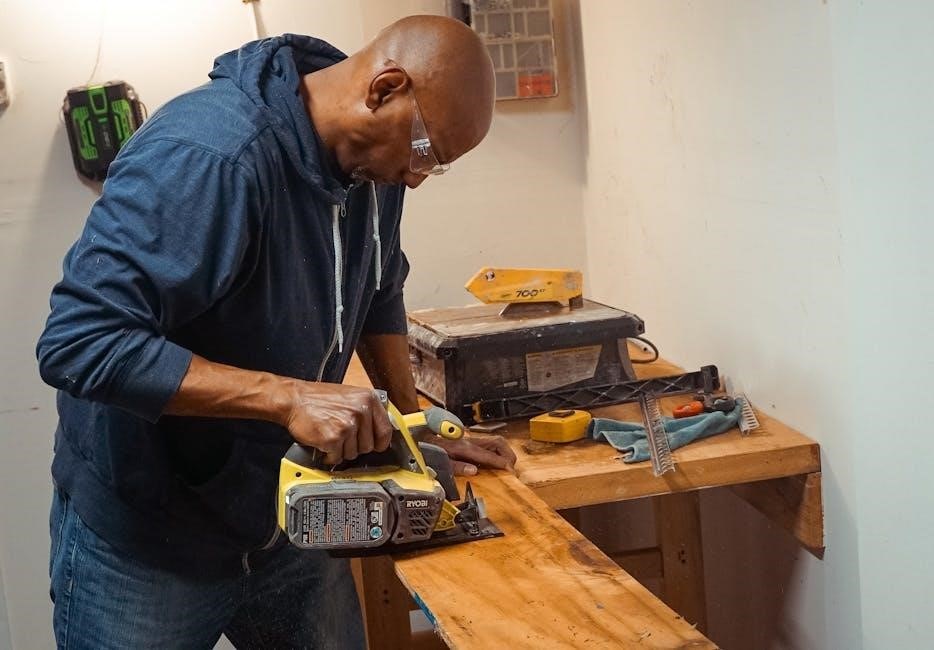
Maintaining sharp blades is crucial for efficient wood shredding. Dull blades require more force and produce uneven chips. Regularly inspect the blades for signs of wear or damage. Sharpening can be done with a metal file or a sharpening stone, following the original blade angle. Exercise extreme caution during sharpening to avoid injury.
Blade replacement will eventually be necessary, especially with frequent use. Consult your shredder’s manual for specific instructions and the correct blade type. Ensure the replacement blades are securely fastened to prevent accidents. Proper blade maintenance guarantees optimal performance and safety.
Troubleshooting Common Issues
Difficulty feeding material often stems from dull blades or overly thick branches. Sharpen or replace blades and reduce branch diameter. Jams can occur when attempting to shred unsuitable materials; clear the jam carefully, disconnecting the power source first. Uneven chipping usually indicates dull or damaged blades requiring sharpening or replacement.
Excessive force needed suggests blade dullness or a blockage. Inspect and address these issues. Always prioritize safety; never force the shredder. If problems persist, consult the manufacturer’s guide or seek professional assistance. Regular maintenance prevents many common issues.
Where to Buy a Manual Wood Shredder
Manual wood shredders are increasingly available through a variety of retail channels. Major home improvement stores like Home Depot and Lowe’s often stock basic models, particularly during peak gardening seasons. Online marketplaces such as Amazon and eBay offer a wider selection, including specialized and imported options.
Specialty gardening and agricultural supply stores are excellent sources, providing expert advice and potentially more robust models. Direct purchases from manufacturer websites are also possible. Comparing prices and reading customer reviews across different platforms is crucial before making a purchase.
Cost Considerations: Price Range and Value
Manual wood shredder pricing varies considerably based on build quality, capacity, and features. Expect to find basic models starting around $80-$150, suitable for light-duty tasks and smaller branches. More durable options with larger hoppers and enhanced cutting mechanisms can range from $150 to $300 or more.
Assessing value requires considering the volume and type of material you’ll be processing. A higher upfront cost may be justified by increased efficiency and longevity. Factors like blade material and frame construction significantly impact durability. Comparing compaction ratios and the ability to handle thicker branches are key to determining overall value.
Applications of Shredded Wood
Shredded wood produced by a manual shredder boasts diverse applications, primarily in gardening and landscaping. It serves as an excellent mulch, suppressing weeds, retaining soil moisture, and regulating temperature around plants. The material is also ideal for composting, providing a carbon-rich “brown” component that balances nitrogen-rich “green” materials, accelerating decomposition.
Furthermore, shredded wood can create pathways and define garden beds, offering an aesthetically pleasing and functional ground cover. Its natural composition enriches the soil as it breaks down, improving structure and fertility. The resulting compost or mulch enhances plant health and reduces the need for chemical fertilizers.
Gardening and Mulching
Shredded wood from a manual shredder is exceptionally beneficial in gardening, particularly as a mulch. Applying it around plants suppresses weed growth by blocking sunlight, reducing the need for herbicides. It also conserves soil moisture, lessening watering frequency, and moderates soil temperature, protecting roots from extreme heat or cold.
This organic mulch gradually decomposes, enriching the soil with valuable nutrients and improving its structure. It’s perfect for flowerbeds, vegetable gardens, and around trees and shrubs. The resulting aesthetic appeal enhances garden landscapes, creating a tidy and well-maintained appearance. Using shredded wood promotes healthier plant growth and a thriving garden ecosystem.
Composting
Manually shredded wood significantly accelerates the composting process. The smaller wood particles provide a larger surface area for microbial activity, speeding up decomposition. This “brown” material balances the “green” materials like grass clippings and food scraps, creating an optimal carbon-to-nitrogen ratio essential for effective composting.
Adding shredded wood improves aeration within the compost pile, preventing anaerobic conditions and unpleasant odors. It also absorbs excess moisture, maintaining the ideal dampness for decomposition. The resulting compost is a nutrient-rich soil amendment, perfect for enriching gardens and promoting healthy plant growth. It’s a sustainable way to recycle yard waste and create valuable resources.
Future Trends in Manual Wood Shredder Technology
Innovations in manual wood shredder design are likely to focus on enhancing efficiency and user experience. Expect to see advancements in blade materials, potentially utilizing stronger, lighter alloys for improved cutting performance and durability. Ergonomic improvements, such as redesigned handles and optimized gear ratios, will reduce user fatigue during operation.
Further development may incorporate modular designs, allowing users to easily swap out components for different shredding tasks. Integration of safety features, like improved guarding and automatic blade stops, will become increasingly prevalent. While fully automated systems dominate the market, a niche for robust, reliable, and portable manual shredders will persist, driven by sustainability and off-grid needs.