Electrolux Washer Instruction Manual: A Comprehensive Guide
Welcome! This manual unlocks your Electrolux washer’s full potential, offering guidance from initial setup through daily operation and advanced troubleshooting, starting today, 04/15/2026.
Congratulations on selecting an Electrolux washing machine! This appliance is designed to provide exceptional cleaning performance and convenience, simplifying your laundry routine. This manual serves as your comprehensive guide, ensuring you understand all features and functions of your new machine, model Ewf85661 and beyond, like the UltimateCare 700 (EWF9042R7WB).
Before your first wash, please take the time to carefully read through this instruction manual. Familiarizing yourself with the machine’s operation, safety precautions, and maintenance requirements will maximize its lifespan and ensure optimal results. We’ve included detailed sections on everything from installation and cycle selection to troubleshooting common issues.
This manual is specifically tailored to help you get the most out of your Electrolux washer, offering a step-by-step approach to laundry care. Remember to refer back to this guide whenever you have questions or encounter any difficulties. Enjoy the ease and efficiency of your new Electrolux appliance!
Safety Precautions & Important Warnings
Important Safety Instructions: To prevent injury or damage to your Electrolux washing machine, please adhere to the following precautions. Always ensure the machine is properly grounded and installed according to the installation guide. Never operate the washer with a damaged power cord or plug.
Keep children and pets away from the washing machine during operation. Do not attempt to repair the appliance yourself; contact a qualified technician for any repairs. Avoid overloading the drum, as this can cause damage and affect cleaning performance.
Only use detergents and fabric softeners specifically designed for washing machines. Never wash items that have been cleaned with flammable liquids. Disconnect the power supply before cleaning or performing maintenance. Heed all warning labels affixed to the machine. Failure to follow these safety guidelines could result in serious harm or void your warranty.
Machine Overview & Parts Identification
Familiarize Yourself: Your Electrolux washing machine is engineered for efficient and reliable performance. Key components include the control panel, used to select wash cycles and options; the detergent dispenser, for adding detergent, fabric softener, and bleach; and the washing drum, where clothes are cleaned.
Locate the drain filter, crucial for preventing clogs and maintaining proper drainage – its location is detailed in the following sections. The machine’s exterior features a door with a locking mechanism and access panels for maintenance. Understanding the function of each part ensures optimal usage and simplifies troubleshooting.
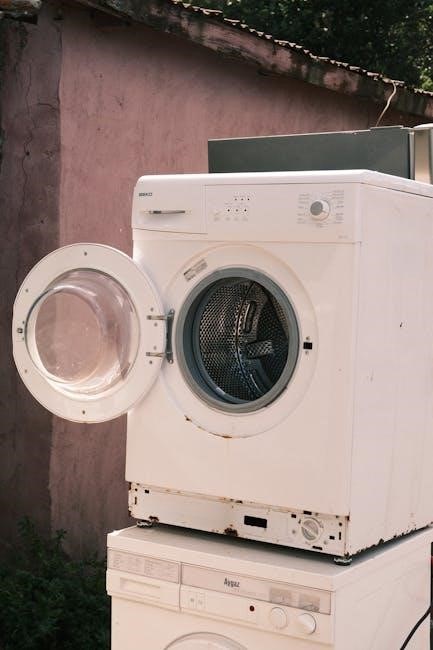
Refer to the diagrams provided for precise identification of each component. Regularly inspect these parts for any signs of wear or damage. Proper identification is the first step towards effective operation and long-term care of your appliance.
Control Panel Explained
Navigating the Interface: The Electrolux control panel provides intuitive access to all washing machine functions; A central display screen shows cycle progress, remaining time, and error codes. The program selector dial allows you to choose from a variety of wash cycles, including Cotton, Delicate, and Quick Wash.
Option buttons modify cycle settings – temperature, spin speed, and extra rinse options are easily adjusted. A start/pause button initiates or interrupts the wash cycle. Dedicated buttons may also exist for features like ‘Delay Start’ or ‘Steam Refresh’.
Understanding each button’s function is key to customizing washes. Consult the cycle guide for recommended settings for different fabric types. The panel’s layout is designed for ease of use, ensuring you can quickly and efficiently select the desired wash parameters.
Detergent Dispenser Details
Compartment Breakdown: The Electrolux detergent dispenser typically features three compartments, clearly marked with symbols. The compartment labeled “I” or with a Roman numeral is for pre-wash detergent, used for heavily soiled items. The main wash detergent goes into the compartment marked “II”, often indicated by “II” or a detergent symbol.
Finally, the compartment designated for fabric softener is usually marked with a flower symbol or the word “Softener”. Always dilute fabric softener with water before adding it to prevent staining.
Proper Loading: Use the measuring cup provided to accurately dose detergent, avoiding overfilling. Ensure the dispenser drawer closes completely to activate the detergent release during the wash cycle. Regularly clean the dispenser to prevent residue buildup and ensure optimal performance.
Drum & Filter Location
Drum Inspection: Before each wash, briefly inspect the drum for any foreign objects – coins, buttons, or small items – that could damage the machine or clothing. The stainless steel drum is designed for durability, but caution is advised.
Filter Access: The filter, crucial for preventing drainage issues, is typically located behind a small access panel at the front bottom of the washing machine. You may need a flathead screwdriver to open the panel.
Filter Cleaning: Carefully unscrew the filter cap (have a towel ready to catch any residual water!). Remove lint, hair, and debris. Rinse the filter thoroughly and replace it securely. Regular filter cleaning – at least monthly – maintains optimal performance and prevents blockages.
Installation Guide
Preparation is Key: Before installation, ensure you have all necessary tools – pliers, a level, and adjustable wrench. Carefully unpack your Electrolux washing machine, removing all shipping materials, including bolts securing the drum (retain these for potential future transport!). Inspect for any damage incurred during shipping; report any issues immediately.
Location Considerations: Choose a level, stable floor capable of supporting the washer’s weight, even during operation. Allow sufficient space around the machine for ventilation and access for maintenance. Avoid direct sunlight and extreme temperatures.
Professional Installation: While DIY installation is possible, professional installation is recommended to ensure proper connections and adherence to local plumbing codes. Incorrect installation can void your warranty.
Unpacking and Initial Setup
Careful Unboxing: Begin by carefully removing the outer packaging, avoiding sharp tools that could damage the appliance. Retain the packaging materials for potential returns or future relocation. Inspect the washer thoroughly for any visible signs of shipping damage – dents, scratches, or loose parts. Document any damage with photographs immediately.
Removing Transit Bolts: Locate and remove the transit bolts securing the drum. Crucially, save these bolts! They are essential if you ever need to move the machine. Failure to remove these bolts will cause significant damage during the first wash cycle.
Initial Check: Ensure the detergent dispenser is empty and the drum is clear of any packing materials. Briefly rotate the drum by hand to confirm free movement. Consult the included quick start guide for a visual overview of the machine’s components.
Water Supply Connection
Hose Connection: Locate the water inlet valves on the rear of the washing machine, typically marked for hot and cold water. Screw the supplied inlet hoses onto these valves, ensuring a hand-tight fit followed by a quarter-turn with pliers – do not overtighten! Connect the other ends of the hoses to the corresponding hot and cold water taps.
Water Pressure: Verify your water pressure is within the recommended range (typically 20-80 psi). Insufficient pressure can affect wash performance, while excessive pressure may damage the valves. Consider installing a pressure regulator if necessary.
Leak Check: After connecting the hoses, slowly turn on the water supply and carefully inspect all connections for leaks. Tighten connections as needed. Run a short test cycle (without laundry) to confirm a secure and leak-free water supply.
Leveling the Machine
Importance of Leveling: Proper leveling is crucial for quiet operation and preventing excessive vibration during the wash and spin cycles. An unleveled machine can “walk” across the floor and potentially cause damage.
Adjustable Feet: Your Electrolux washer features adjustable feet located at each corner. Use a level placed on top of the machine to check for evenness. Rotate the feet clockwise to lower that corner, and counterclockwise to raise it.
Locking Nuts: Once the machine is level, securely tighten the locking nuts against the machine’s base to prevent the feet from shifting. Re-check the level after tightening. Ensure all feet are firmly in contact with the floor. A stable, level base is essential for optimal performance and longevity.
Operating Instructions: Washing Cycles
Selecting a Cycle: Your Electrolux washer offers a variety of wash cycles designed for different fabric types and soil levels. Carefully review the cycle options before starting a load to ensure optimal cleaning and fabric care.
Cycle Overview: Common cycles include Cotton, Delicates, Quick Wash, and Wool. The Cotton cycle is ideal for everyday laundry, while Delicates is suited for lingerie and sensitive items. Quick Wash provides a faster cleaning option for lightly soiled clothes.
Customization Options: Many cycles allow for customization of temperature, spin speed, and pre-wash options. Refer to the control panel explanation for detailed information on these settings. Always consult garment care labels before selecting a cycle.
Understanding Wash Cycle Options
Cycle Specifics: Electrolux washers provide diverse cycle options tailored to specific needs. The ‘Steam’ cycle sanitizes and reduces wrinkles, while ‘Allergy Wash’ utilizes higher temperatures for enhanced allergen removal. ‘Outdoor’ is designed for durable, weather-resistant fabrics.
Temperature Control: Adjusting the water temperature impacts cleaning effectiveness and fabric protection. Cold water is gentle and energy-efficient, warm water is suitable for most loads, and hot water is best for heavily soiled items and whites.
Spin Speed Selection: Higher spin speeds extract more water, reducing drying time, but can cause more wrinkles. Lower speeds are gentler on delicate fabrics. Utilize the ‘No Spin’ option for hand-wash items. Always check garment labels!
Using Specific Programs (e.g., Delicate, Cotton, Quick Wash)
Delicate Cycle: For lingerie, silk, and sheer fabrics, select the ‘Delicate’ cycle with a low spin speed. Use a mesh laundry bag for added protection. Avoid harsh detergents.
Cotton Cycle: Ideal for everyday cotton items like t-shirts and towels. Adjust the temperature based on soil level – warm for moderately soiled, hot for heavily soiled. A higher spin speed efficiently removes water.
Quick Wash Cycle: Perfect for lightly soiled items needing a fast refresh. This cycle uses less water and energy, completing in approximately 30-60 minutes. Do not overload the machine for optimal results. Remember to select appropriate detergent dosage.
Detergent & Fabric Softener Usage
Detergent Selection: Use only High Efficiency (HE) detergents specifically designed for front-load washers. Regular detergents create excessive suds, hindering cleaning performance and potentially damaging the machine. Follow detergent manufacturer’s instructions for dosage, adjusting based on load size and soil level.
Detergent Compartment: Pour liquid detergent into the designated compartment (usually marked with ‘II’ or a detergent symbol). Powder detergent should also go into this compartment. Avoid overfilling.
Fabric Softener: Add fabric softener to the dedicated softener compartment (often marked with a flower symbol). Do not exceed the maximum fill line. Fabric softener is dispensed automatically during the rinse cycle, leaving clothes feeling softer and reducing static cling. Never pour fabric softener directly onto clothes.
Troubleshooting Common Issues
Machine Not Starting: First, ensure the power cord is securely plugged into a functioning outlet. Check if the door is properly closed and latched – the machine won’t start if the door isn’t secure. Verify the water supply valves are fully open. If the issue persists, consult the advanced troubleshooting guide.
Drainage Problems: If water isn’t draining, check the drain hose for kinks or obstructions. Locate and carefully clean the drain pump filter (refer to the ‘Drum & Filter Location’ section) as it may be clogged with lint or small objects.
Error Codes: Refer to the error code list in the full manual to diagnose specific issues indicated by the display panel. Contact Electrolux support if you cannot resolve the problem.
Machine Not Starting
Initial Checks: Before assuming a serious issue, verify the washing machine is correctly plugged into a working electrical outlet. Test the outlet with another device to confirm power delivery. Ensure the power switch, if present, is in the ‘on’ position.
Door Latch: The Electrolux washer features a safety interlock; the machine will not start if the door isn’t completely closed and securely latched. Inspect the door seal for any obstructions preventing a tight closure. Attempt to firmly close the door again.
Water Supply: Confirm both hot and cold water supply valves are fully open, allowing water to flow into the machine. If problems continue, consult the advanced troubleshooting guide for further assistance.
Drainage Problems
Check the Drain Hose: Ensure the drain hose isn’t kinked, twisted, or blocked. A restricted hose prevents proper water expulsion. Verify the hose is positioned correctly within the standpipe, not inserted too far, which can cause siphoning.
Filter Inspection: A clogged drain pump filter is a common cause of drainage issues. Locate the filter (typically behind a small access panel at the front of the machine) and carefully remove and clean it, removing lint, debris, and small objects;
Pump Obstruction: If the filter is clear, the drain pump itself might be obstructed. Consult the advanced troubleshooting guide for instructions on accessing and inspecting the pump for blockages.
Cleaning & Maintenance
Regular Cleaning is Key: To maintain optimal performance and longevity, regular cleaning is essential. Wipe down the exterior with a damp cloth and mild detergent. Clean the door seal frequently to prevent mildew buildup.
Drum Cleaning Cycle: Utilize the washer’s dedicated drum cleaning cycle (if equipped) monthly, or run a hot water wash with a washing machine cleaner. This removes residue and odors.
Filter Maintenance: Regularly inspect and clean the drain pump filter (as detailed in the troubleshooting section) to prevent blockages. Also, periodically check and clean the detergent dispenser drawers.
Exterior Care: Avoid abrasive cleaners on the exterior surfaces. For stainless steel, use a stainless steel cleaner to maintain its shine. Proper maintenance ensures years of reliable operation.
Congratulations on your new Electrolux washing machine! This comprehensive guide, updated as of 04/15/2026, is designed to help you maximize its performance and enjoy years of reliable service. We’ll cover everything from initial installation and understanding the control panel to selecting the optimal wash cycles and troubleshooting common issues.
This manual specifically addresses models like the Ewf85661 and the UltimateCare 700 (EWF9042R7WB), though many instructions are applicable across the Electrolux range. Familiarize yourself with the safety precautions before operation.
Whether you’re a first-time user or an experienced laundry professional, this resource will provide step-by-step instructions and valuable tips for efficient and effective washing.